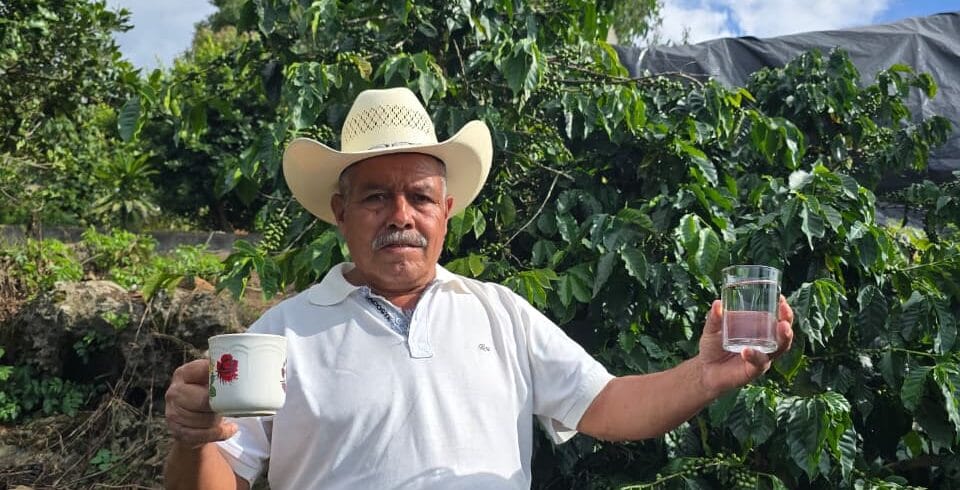
For coffee-growing families of rural Guatemala, the same water that sustains a livelihood must also sustain life at home; but what happens when there isn’t enough?
Coffee brings people together all over the world.
It’s where first dates begin, friendships deepen, deals get made, and long-overdue conversations finally happen.
Whether it’s a simple cup of black coffee or an elaborate, whipped-cream-topped creation, coffee is part of daily life for people in communities around the world.
And behind every cup is something else that connects us all: water.
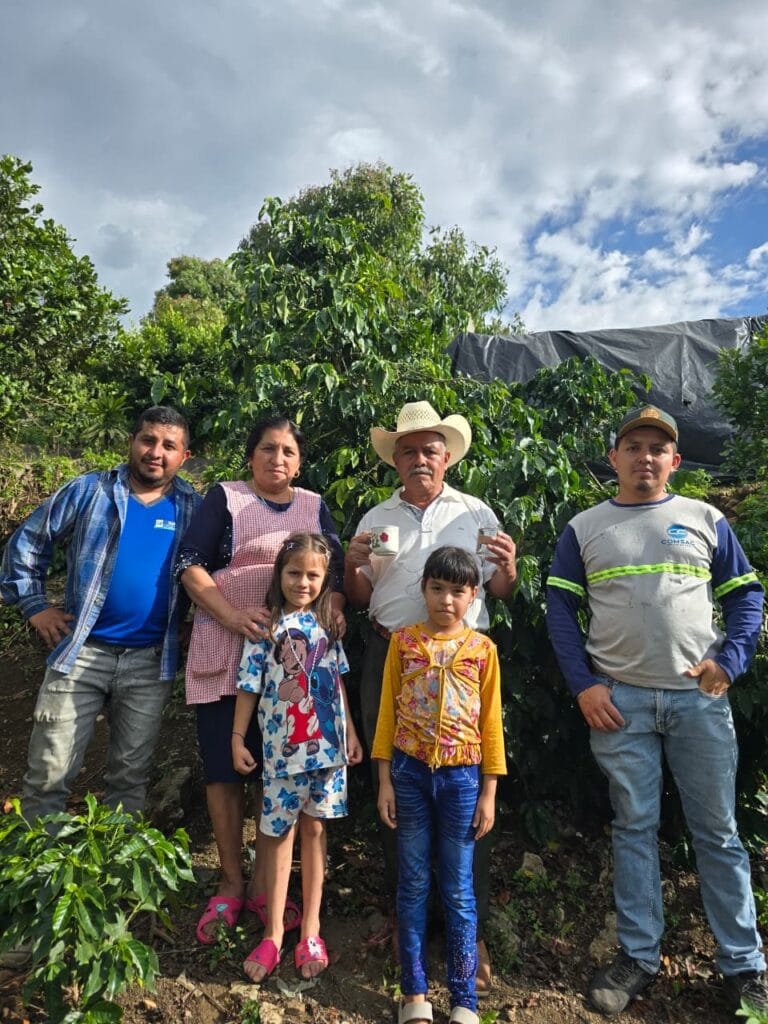
For families across the coffee-growing region of Huehuetenango, Guatemala, coffee is more than the drink in your morning mug: It is a crop, an income, a tradition, and a way to provide for the people they love.
But here’s the paradox:
The very crop that helps sustain a family can also put pressure on the resource that every plant and person in that community depends on: water.
Coffee Needs Water— A Lot of It.
Coffee in Guatemala is traditionally produced using a washing method that has been passed down through generations. However, this process requires a significant amount of water—about 37 gallons to produce enough coffee for a single cup.
A lot of this water becomes wastewater at the end of processing, which can carry organic matter, chemicals and other pollutants that, if not properly managed and disposed of, can enter the very same waterways communities rely on for drinking and everyday needs.
Without a proper purification system in place here, this can increase the risk of illness and exposure to toxic contaminants in the rural coffee-growing communities across Huehuetenango.
As a local organic farmer named Aurelio told us, “we have to improve and educate ourselves, about properly handling waste, pollution and not cutting down trees, so that our water sources can survive… because water is fundamental.”
So, the cycle becomes complicated for coffee growers in rural Guatemala:
Water helps grow the coffee.
Coffee helps support the family.
Coffee processing can contaminate the water.
And that same water is needed by the community to live.
Water’s touchpoints in coffee processing
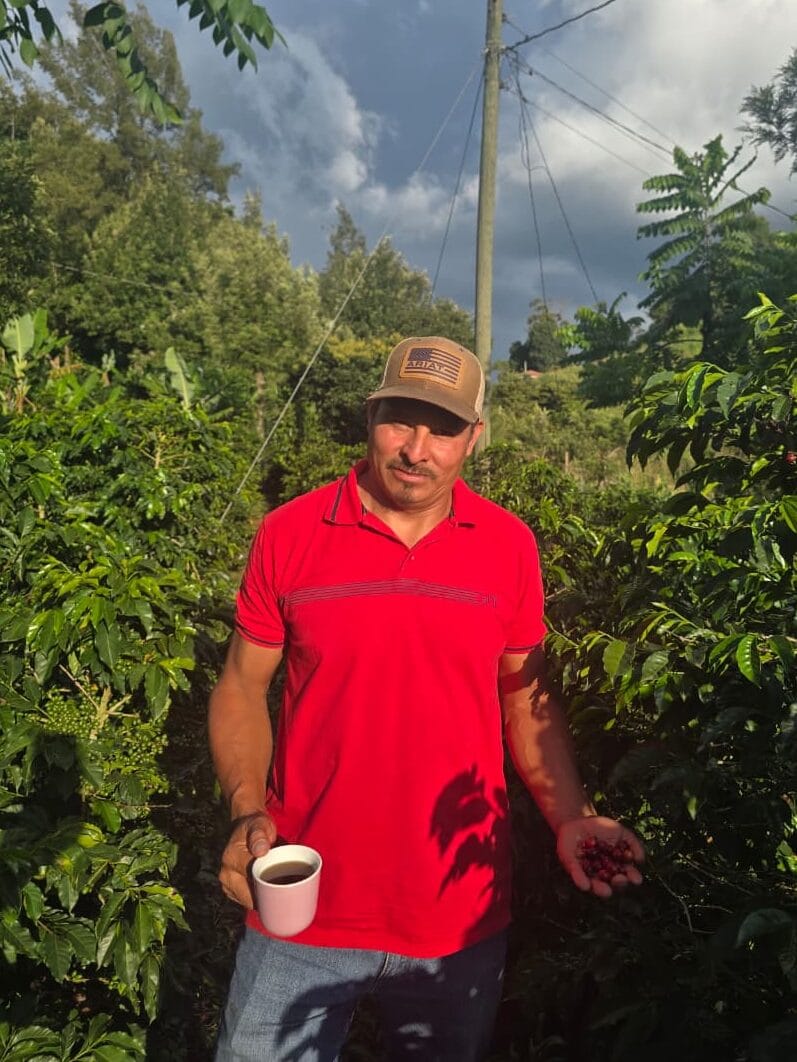
Jacinto, a coffee farmer in El Pajal, Guatemala, helped show us just how many times water is needed throughout the washed coffee process.
“for the sorting and pulping steps, we need water to carry out the process properly.
In the same way, to remove the sticky residue from the bean, we also need to leave the coffee (to ferment) in clean water… we then wash it again, which requires a sufficient amount of water to rinse the beans from the remaining sticky layer.”
Jacinto is one of 265 families who received abundant, safe water from Phase 1 of our Pajal Project.
But this is not yet the reality for everyone in this region.
Aurelio continues to wait for water
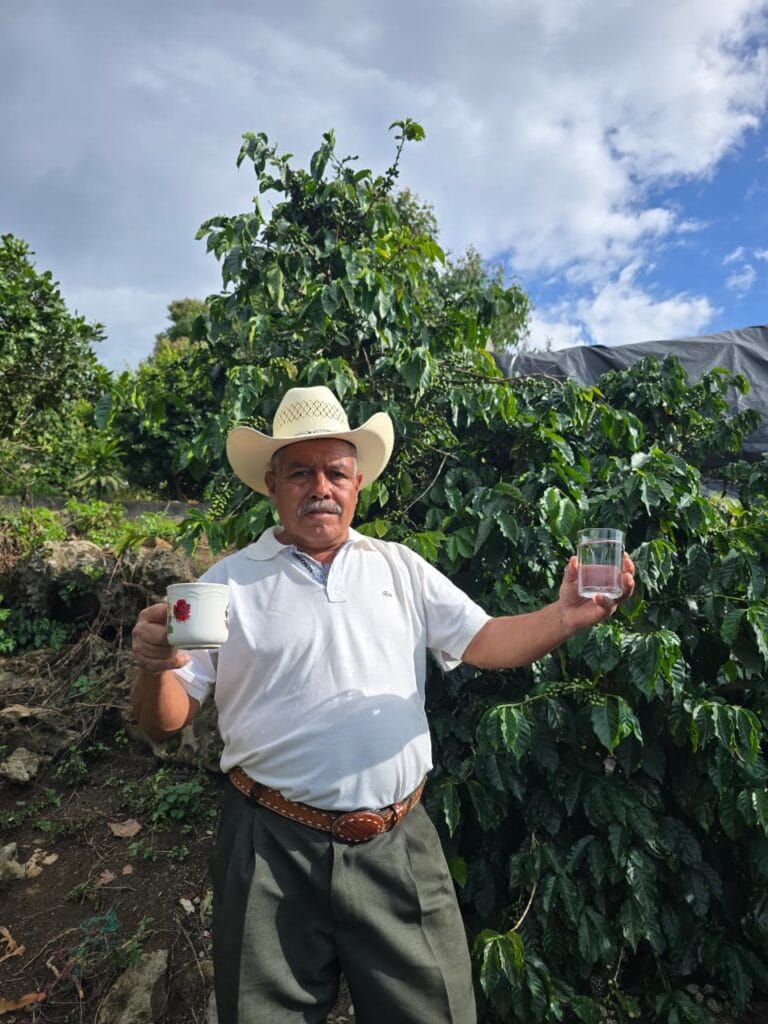
Meet Aurelio, a coffee farmer in the neighboring community of Cipresales, Guatemala.
Aurelio and his family do not have access to neither safe or enough water for both their personal needs and their livelihood— coffee farming.
Because of this, Aurelio came up with both a creative and extensive solution.
“ We recycle water… using pickup trucks to haul large tanks of water we fill up at our shared source… and a pump below and above to circulate the water throughout the entire system. We have to do all of this because we don’t have water here. ”
However, water is running low.
“Sometimes we have to keep using the water that is somewhat dirty because we simply don’t have another option.”
But Aurelio and families alike shouldn’t have to choose between the livelihood that sustain their family and the safe water they need to thrive.
For Aurelio, the connection is simple: “Water is the main resource we need for our work. If there is no water, we can’t even wash a single coffee bean”.
Safe Water for Both Work and Family Needs
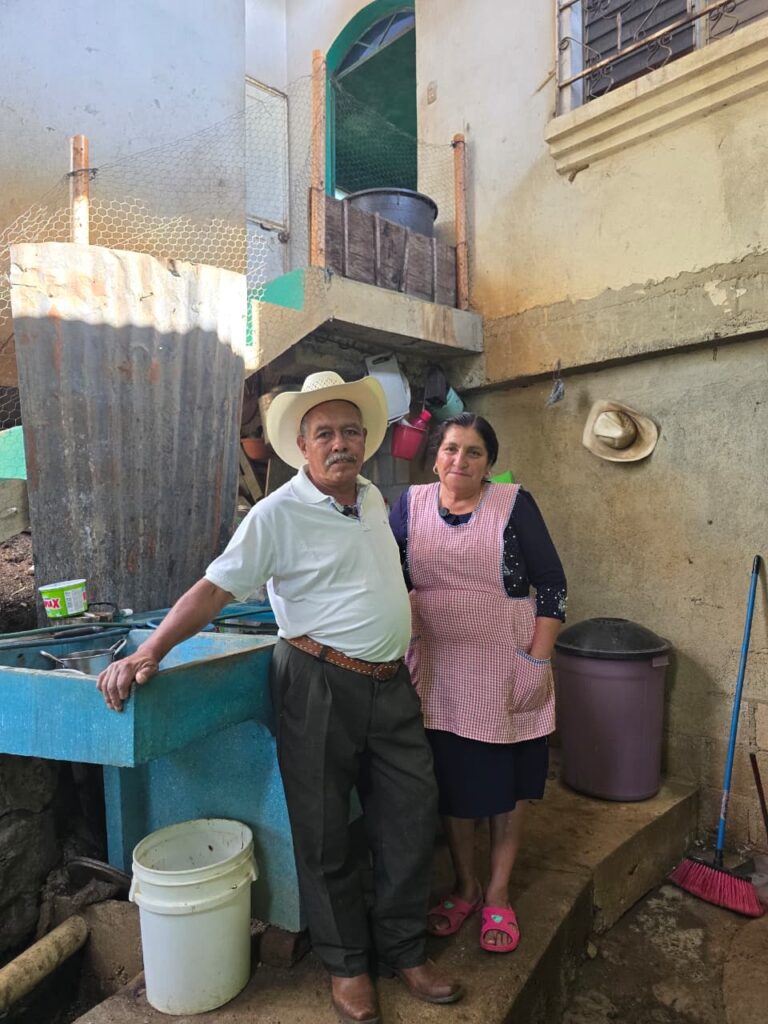
In the next few weeks, Aurelio will be one of 900 households that will receive abundant, safe water through Phase 2 of Healing Waters’ Pajal Project. This means they will no longer have to choose between water for their coffee crops and meeting their families’ daily needs. They’ll have abundant, safe water for both.
Because coffee can help a family make a living.
But safe water helps families thrive.
And when both are cared for, communities have greater opportunities for the future.
So the next time you take a sip of coffee, think beyond the cup,
Think about the plant.
The farmer.
The family.
The community.
And the water behind it all.