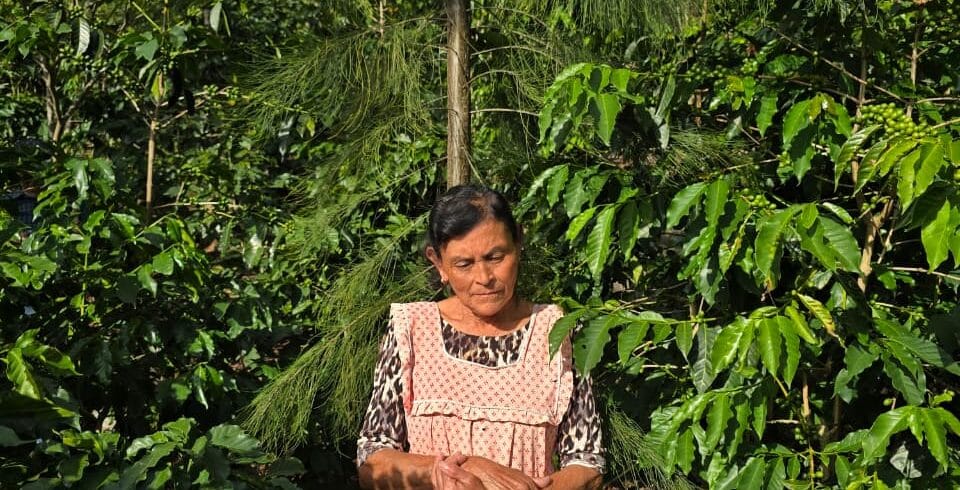
Meet Marina, a coffee farmer and mother in Cipresales, Guatemala. She’s been growing coffee since she was 10, yet today, she and her community still lack access to safe water.
There’s more behind your cup than you think.
Before it reaches your kitchen table, your coffee has traveled through generations, farms, families, and communities. It carries the work of farmers who’ve cultivated coffee for decades, the land where it was grown, and countless people that helped bring it into your hands.
For 67% of Americans, coffee is part of daily routine. We think about the type of beans, the roast, the flavor and the first sip. But behind every cup is an essential ingredient we rarely think about: safe water.
As our friends at The Well put it, “The great irony is that many of the countries that lack access to safe water are also some of the most popular coffee producers.” (The Well)
Where Coffee Has Taken Root
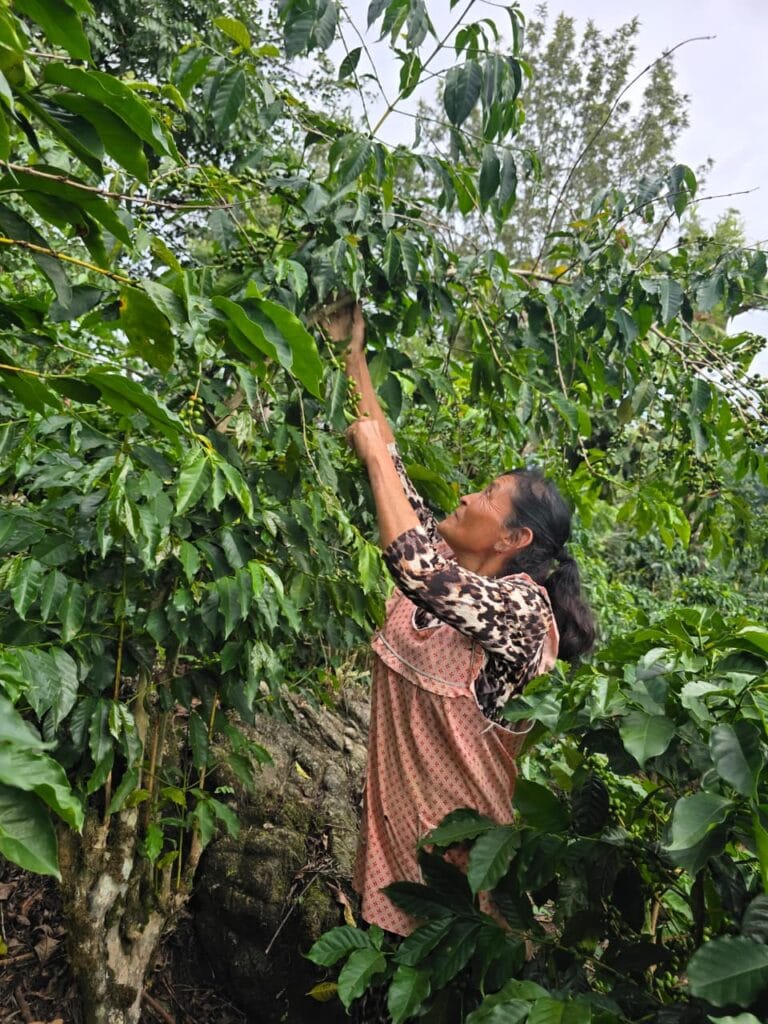
In Huehuetenango, Guatemala, coffee is more than a crop. For generations, it has been woven into the livelihoods of families across mountainous communities like El Pajal and Cipresales. The region’s high elevation, temperate climate, and rich soil help produce the exceptional coffee it is known for.
Yet many of the families behind that coffee still do not have safe water at home.
Water must be collected, carried, and carefully rationed between drinking, cooking, cleaning, and farming. And even then, the water families rely on may carry the risk of illness.
For families in Cipresales, that reality is part of everyday life. It’s also where we met Marina.
Meet Marina
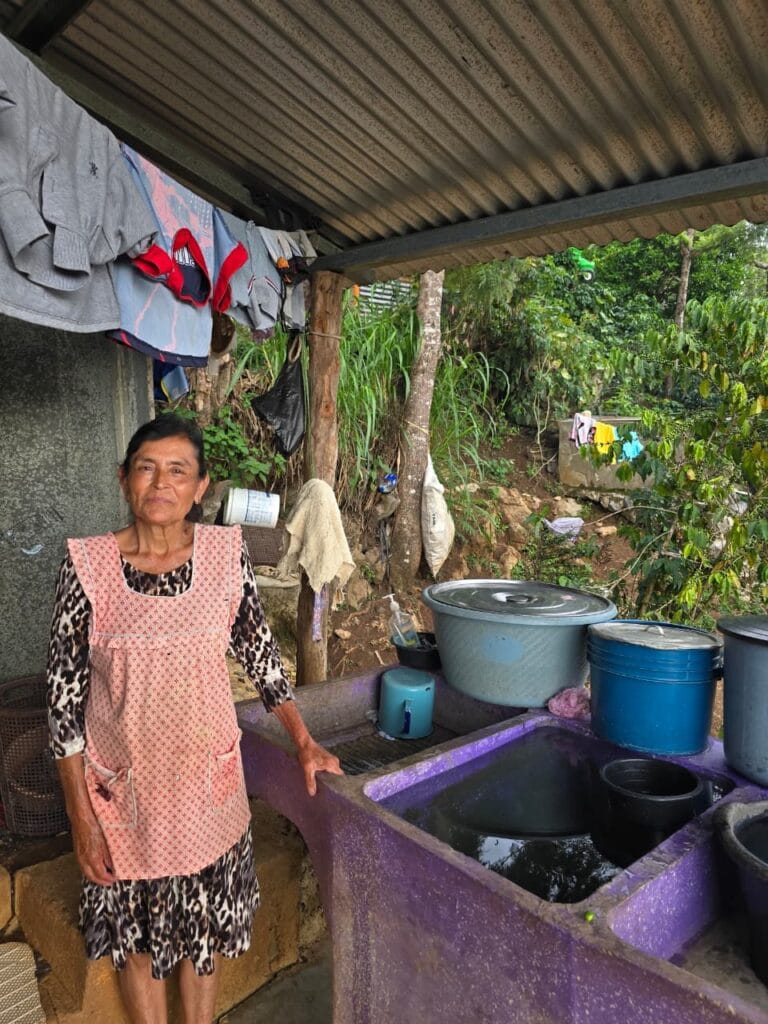
Marina is a coffee farmer in Cipresales. She’s been involved in the process since she was 10 years old. Like generations of farmers throughout Huehuetenango, coffee is part of the work that supports her family.
While Marina helps grow the coffee that fills our cups, safe water still doesn’t flow to her own home.
“We only have water for certain hours. One day we have water, and another day we do not. We have to conserve what we receive”
That contrast is easy to miss when we’re standing in our kitchens with a fresh cup in hand.
Marina relies on one communal water source for both her family and coffee farm. But that source depends on rainfall.
With rainfall levels diminishing, an already limited water supply becomes even more scarce. For Marina and other families in Cipresales, the need for a sustainable source of safe water is urgent.
“I tell my children and grandchildren I am worried about their future; What is going to happen to you? There is a shortage of water.“
Bringing Safe Water Home
“without water, there is no life. That’s why we keep asking God to let this project move forward, so that our lives can be different. We really struggle for this precious water.”
Through Phase 2 of the Pajal Project, Healing Waters is working to bring safe water directly to the homes of 900 families across the communities of El Pajal and Cipresales.
Marina and her family are among them.
For these families, safe water at home can change much more than what fills a glass.
It can mean less time spent collecting and rationing water for daily needs, safe water for drinking and cooking, one less daily worry for parents, and more opportunity for time and energy to be invested into school, work, farming, and their futures.
For coffee farmers, reliable access to water is what sustains their business, with water being something neither coffee —or they— can live without.
The Story Behind The Cup
The next time you pour a cup of coffee, pause for a moment.
Think about where it began.
The families who grew it.
The hands that harvested it.
The land that sustained it.
And the water that makes it all possible.
Because there is so much more behind your cup than a bean.
There are people. There are families. There are stories like Marina’s.
Together with The Well Coffee Roasters, we’re working toward a future where the families who help fill our cups can experience something many of us rarely have to think about:
safe water flowing directly into their own homes.