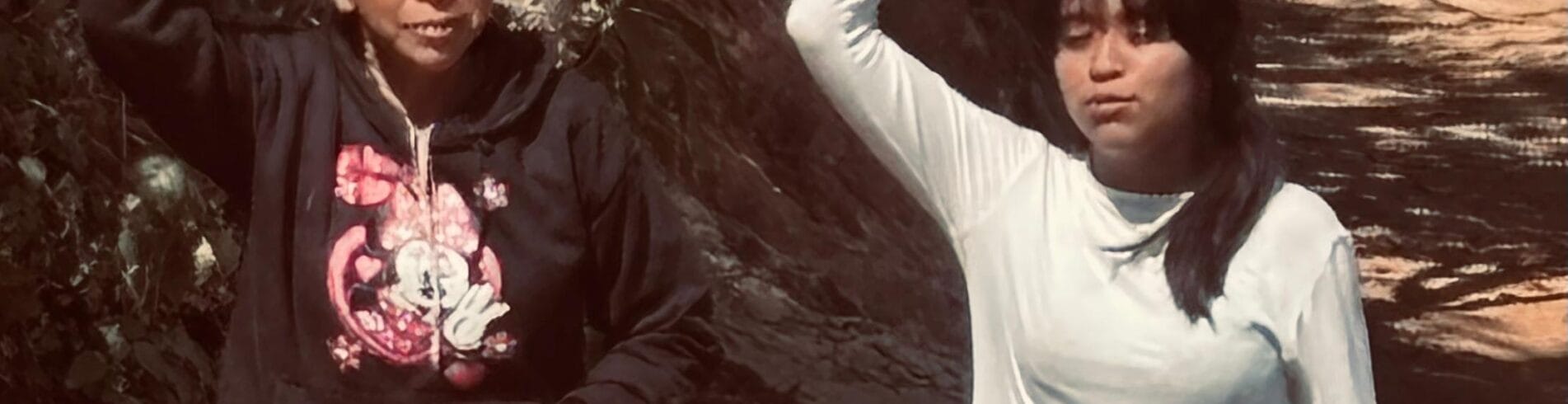
“If it doesn’t rain, we will die.”
When Maria said this, she wasn’t exaggerating. She was describing what life is like in Cipresales.
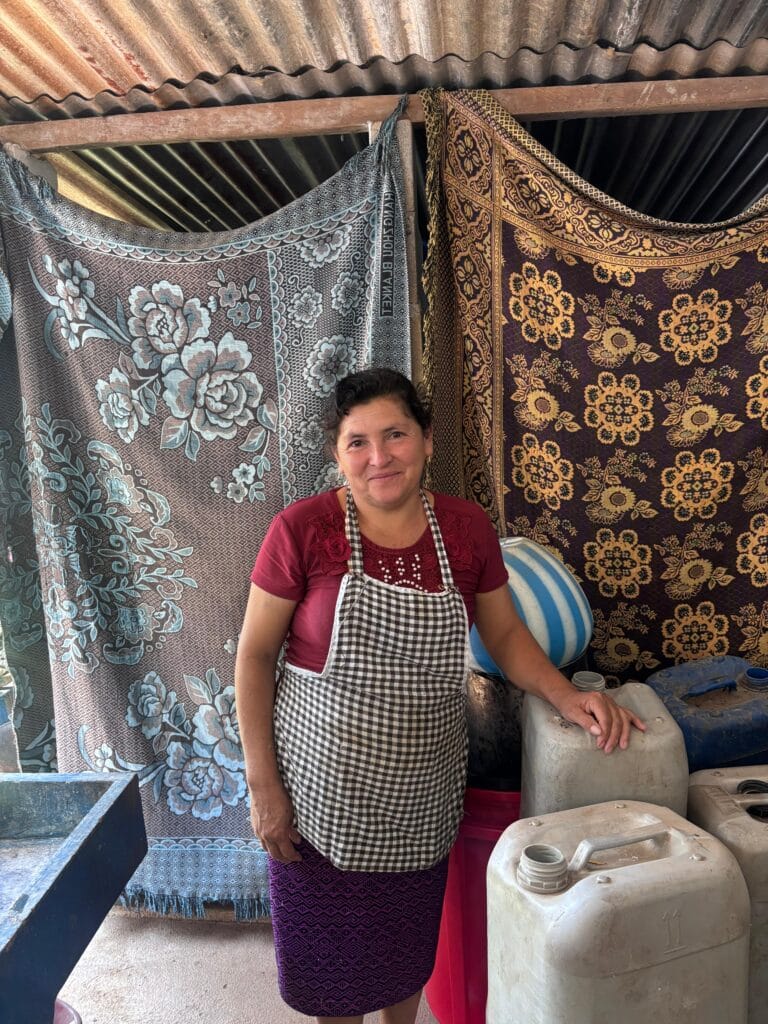
Her home is filled with containers: buckets, barrels, anything that can hold water. Like many families in the community, they depend almost entirely on rainwater. When it rains, they collect as much as they can. When it doesn’t, things get difficult quickly.
Maria has five children, all now married, and together they do what they can to store enough water. She showed us each container around her home, explaining how they use it and how often they worry about whether the next rain will come. There’s a steady level of stress that comes with that uncertainty.
At the same time, she holds onto her faith. She trusts that God will provide, even if she doesn’t know how or when.
When she heard that Healing Waters is working to bring a water system to Cipresales, she was deeply grateful.
That work is already underway. The plan is to drill borehole wells, pipe the water to a purification system, and then distribute it to homes throughout the community. It would mean that families are no longer relying on rainfall to meet their daily needs.
And this isn’t something new for the region.
In nearby Pajal, during Phase 1 of this project, Healing Waters helped implement a system that is already changing daily life. Using solar panels, water is pumped from a spring uphill to a purification unit, then distributed to homes.
Like Cipresales, Pajal had been waiting for water for generations. Now, they have access to safe water much more consistently, and they no longer have to question whether the water they’re drinking will make them sick.
People in Cipresales have seen that change. Community leaders shared that watching what happened in Pajal gave them a sense of what could be possible for their own families.
For now, though, they are still waiting.
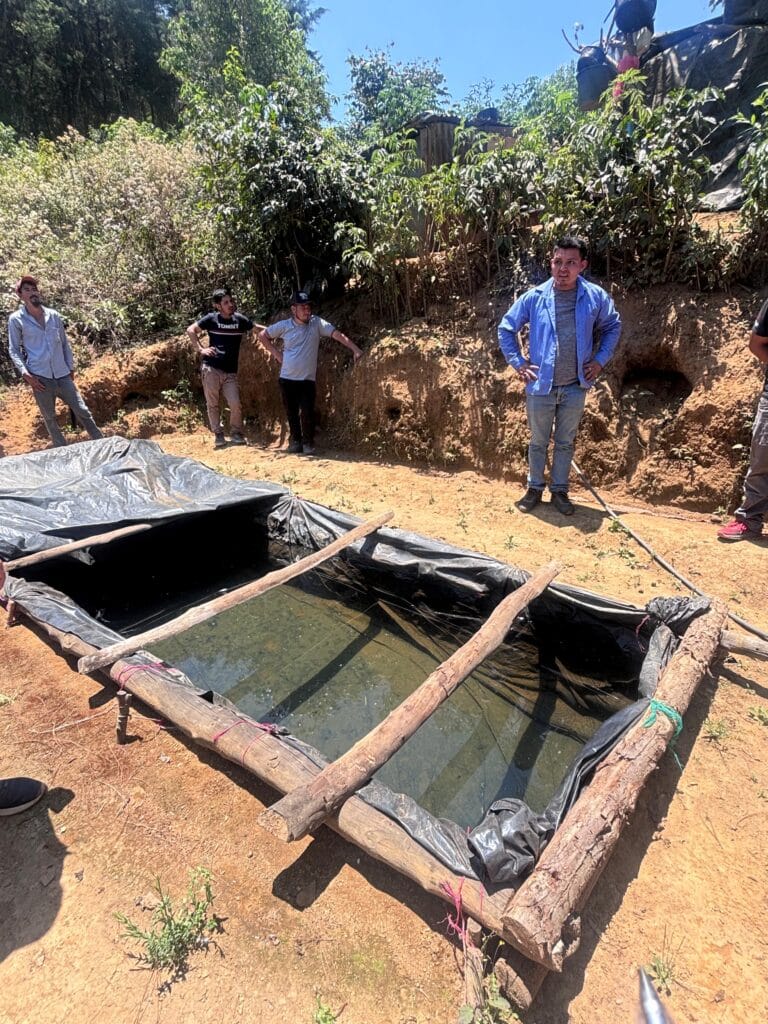
One farmer showed us a large trench he dug on his land to collect rainwater. That water is used for everything: washing, bathing, and drinking once it’s treated. When the rain comes, it helps. When it doesn’t, there are few options.
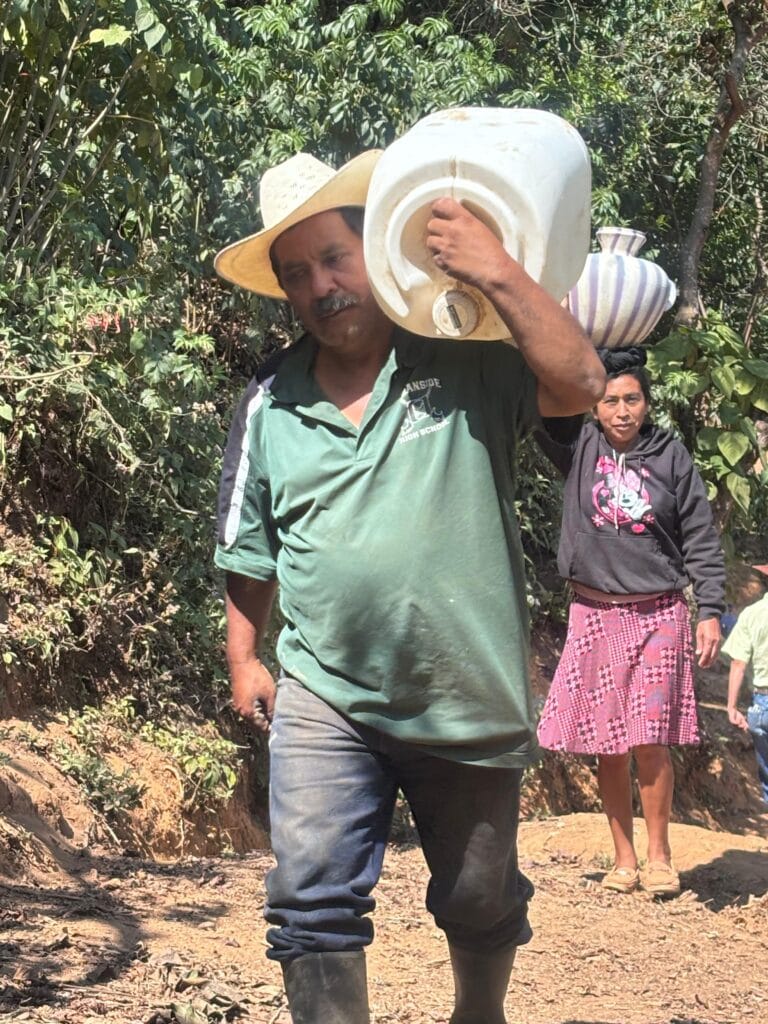
Some families wake up as early as 4 a.m. to walk more than an hour to a spring. The path is steep, and they carry containers back with them. A local farm owner currently allows access to that water, but there are concerns about how long that will last.
Water affects everything here. It determines how people spend their time, whether they can work consistently, and how they use their limited income.
Still, there is a sense of hope in the community.
“We have waited for water for many years,” one COCODE leader shared. “We believe God is with us and that He hasn’t forgotten us. We’ve seen things start to move, and we trust that it will continue.”
During our visit, Maria mentioned that it hadn’t been raining much. The dry season had been hard. She was anxious and despondent- knowing that rain was needed to support her family. That night, it rained. It rained enough to flood parts of Huehuetenango nearby.
For Maria, it was more than relief. It was a reminder.
A reminder that God sees her and has not forgotten the people of Cipresales. A reminder of what is coming.