
Migration in Guatemala has deep historical roots, shaped by conflict, environmental challenges, and economic hardship. Many Mayan communities were historically forced into the mountainous highlands during the Spanish Conquest and later during the Guatemalan Civil War. These relocations brought people to remote areas with limited infrastructure where roads, electricity, and access to water are sparse. For generations, families have had to travel kilometers down steep terrain to reach their nearest water sources, shaping daily life and survival.
While these communities have long faced hardship, they have also shown remarkable resilience. People established roots in western Guatemala, forming close-knit communities and a strong sense of belonging. Despite the challenges of mountainous living, families built homes, cultivated land, and maintained cultural traditions, creating a home “against the grain” of adversity. Most Guatemalans express a desire to stay in their communities as they feel a deep connection to their land and culture.[1]
Today, however, economic pressures are driving migration away from these historic communities. Poverty remains the primary reason families leave. Many seek stability, dignity, and opportunity—a life with safer homes, education beyond sixth grade, and reliable economic prospects. In western Guatemala, 80% of residents in 2020 reported having a relative in the U.S., reflecting widespread family separation and reliance on remittances. Those left behind often face depression, substance abuse, and the ripple effects of generational trauma, highlighting the urgent need for strengthened communities.[2] Because poverty is a key driver for migration, many do not have the resources to migrate and are extremely vulnerable to abuse and exploitation along the way.[3]
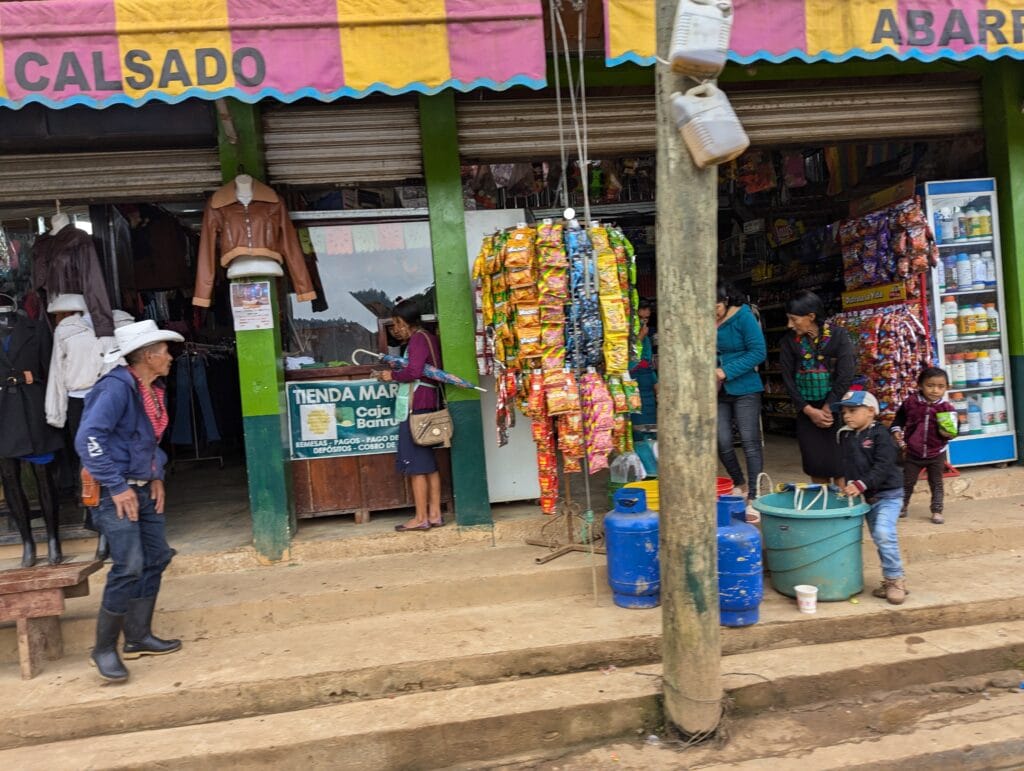
Healing Waters International is confronting these challenges with purpose as we begin Phase 2 of our largest safe water project to date bringing abundant, reliable safe water to Pajal and Cipresales in the mountainous highlands of Huehuetenango, where dependable access has remained out of reach for far too long. Healing Waters is partnering with community development organization, 410 Bridge, who said that despite all of their efforts to alleviate poverty, safe water remains at the center in solving the problem.
Safe water is not only about survival; it is about stability, opportunity, and the ability to build a future. When water is reliable and close to home, families reclaim hours once spent hauling, rationing, or treating it. That time can be invested in education, livelihoods, agriculture, and the strengthening of local economies. Daily life becomes more predictable. Planning becomes possible. Progress becomes sustainable.
Yet water is only the starting point. Our approach strengthens local leadership, builds community ownership, and establishes systems designed to endure. By reducing one of the most persistent pressures on daily life, communities gain the freedom to invest their energy where it matters most in their families, their work, and their future.
When essential resources are accessible, families are empowered to remain where their roots, identity, and support networks already exist, not because they must, but because they can. This work is more than infrastructure; it is an investment in dignity, resilience, and the long-term vitality of communities.
[1] https://cruxnow.com/church-in-the-americas/2021/06/most-guatemalans-dont-want-to-immigrate-but-feel-pushed-study-finds
[2] https://pmc.ncbi.nlm.nih.gov/articles/PMC9062241/pdf/main.pdf
[3] https://www.crs.org/sites/default/files/2025-04/202102_crs_migration_policy_brief_5p.pdf