
What is the Current Guatemala Water Crisis?
Without a doubt, Guatemala is currently facing a water crisis, where much of the country faces the less-than-ideal reality of relying on contaminated water for drinking and food production. A significant number of Guatemalans constantly deal with water-related illnesses like cholera and diarrhea, keeping the population sick, malnourished, and unable to work.
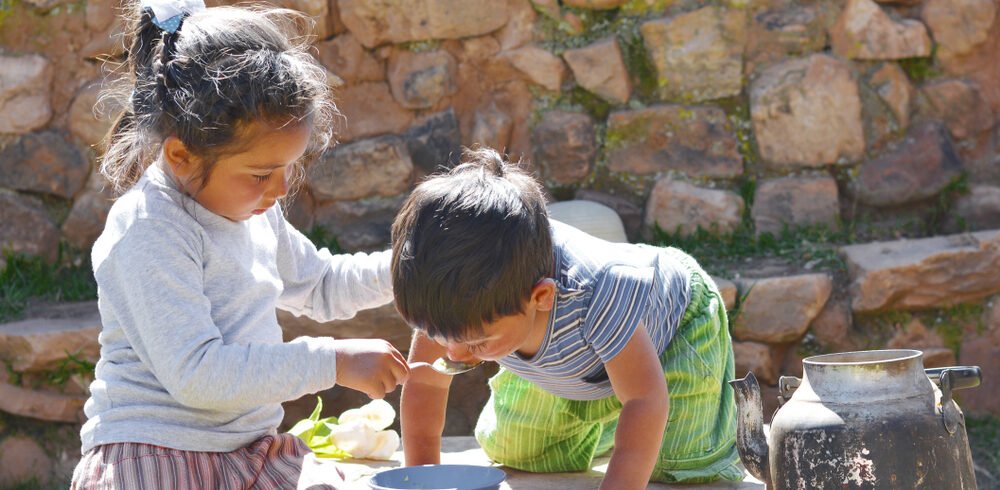
The most alarming aspect of Guatemala’s water crisis is its effect on children. A staggering majority of children in the country are malnourished due to living in areas dealing with severe food shortages and lack of access to clean water.
There certainly hasn’t been a lack of attempts to break this cycle. Through NGOs like Healing Waters International, the people and government have seen improvement in the quality of drinking water to assure the locals have access to cleaner water. Together we can learn about Guatemala’s current situation and how we can all work together to see improvement happening over time because we should all have access to the basic human right to clean water.
Contaminated Water
Visitors to Guatemala will immediately notice the difference in the quality of tap water. Unfortunately, nearly all groundwater sources in Guatemala are polluted, something locals have to deal with every day. This in turn affects their health and wellbeing in ways most of us with access to clean water take for granted. Contaminated water should be taken seriously, and Healing Waters offers training for just this. We provide leaders and members of the communities we serve with health and hygiene training plus proper hand-washing techniques and knowledge of how illness spreads through contaminated water. This way, the locals are made aware of the dangers of contaminated water, and how to combat water-related diseases with hygienic behaviors.
Deforestation
Many might not realize how deforestation has long-lasting effects on the quality of life. Since Guatemala is a small, heavily forested country, the impacts are greater than in other larger countries such as in South America. Guatemala has recently experienced some of the highest rates of deforestation in the world. According to the United Nations, although agriculture is the leading legal cause of deforestation, many practice illegal logging to use firewood for boiling contaminated water to make it safer to drink. Ironically, unregulated deforestation contributes to water pollution in nearby rivers, including the runoff from agricultural practices used in place of the forests. Surface water availability has decreased by 10% in recent years, mainly from deforestation.
Together, We Can Change Lives
With your support, we can continue to expand our reach and provide safe water solutions to more communities around the world.
Drought in Guatemala
Access to clean water has dwindled in recent decades, in large part due to historic droughts with periodical tropical storms. Changes in climate has clearly disrupted life in this area, where these extreme weather events have virtually destroyed much of the already thin water and food supply. Rural areas are hit the hardest, where many farmers reside. While already struggling with relying on unclean surface water, their livelihoods are constantly threatened by extreme weather. With many crops and farmland destroyed, many in the agricultural industry are leaving for urban areas.
Healing Waters wants to help provide water to these remote, rural areas where many have to travel far only to just find a polluted water source. By installing appropriate water solutions and handwashing facilities, we can help one community at a time battle the negative effects of climate change and more.
Facts About Guatemala Water Crisis
From the reasons listed above, you can see just how many factors into Guatemala’s water crisis. Here’s a look at some numbers involved in this situation, and how much the rural population is proportionally hit the hardest.

- Around 1,110 deaths occur from gastrointestinal disease in children in Guatemala every year. The majority of those losses involve children living in rural or remote areas.
- At least 20% of the rural population does not have access to water. These people rely on inconsistent water services which don’t sufficiently cover enough quantity or quality for the population.
- 1 in 3 people living in rural areas do not have access to bathroom or hand washing facilities.
- There is no public funding for water systems for nearly half the rural population.
Water Filtration Systems for Developing Countries
Many people have already achieved great work in providing clean water solutions to the people of Guatemala. You can include us at Healing Waters in this mix, and we know some of our water filtration systems will come in handy as we work together to grant every citizen of Guatemala access to clean water.
While proper hygiene training will spread awareness, lots of work still needs to be done to clean the water. Techniques like boiling water will help remove impurities, but all people should have access to clean, drinkable water without the need to go through processes that negatively alter the taste of the water.
Our water filtration systems can uniquely accommodate the needs of the community, providing inexpensive solutions to meet the demand for clean water.
What can you do to help fight water scarcity? Contact us to learn more about our projects all across the world, or donate to our Saturate community.