One core conviction guides the work of Healing Waters: we intentionally pursue providing safe water to communities that might otherwise be left out of efforts to solve the global water crisis.
These are places where families have waited generations for safe water. And there is a reason why they have waited.
Why Some Communities Are Still Waiting
Not all water challenges are the same, and not all solutions are equally simple.
In many places, drilling a well can provide safe water for thousands of people. When groundwater is clean and accessible, a well can be installed relatively quickly and with limited infrastructure. These solutions can serve entire communities with remarkable efficiency.
But for many of the communities Healing Waters serves, the problem is far more complex.
In parts of coastal Haiti, for example, wells can be drilled but the water that emerges is still unsafe. The groundwater is often contaminated with high levels of salinity. Drinking saltwater can lead to serious health issues, including increased risk of cardiovascular disease. In these areas, simply drilling a well is not enough.
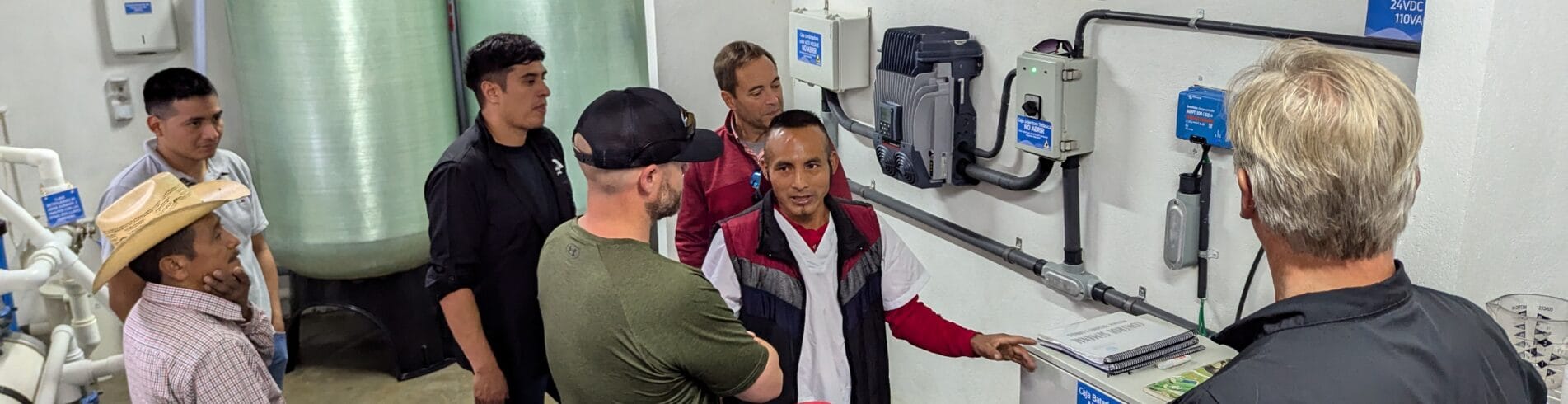
To address this, Healing Waters implements systems that use reverse osmosis to remove salt and other contaminants, producing water that is safe for families to drink. These solutions require more advanced engineering, additional infrastructure, and higher costs—but they are essential for communities where simpler approaches cannot work.
When Geography Becomes the Barrier
For other communities, the challenge is not the water itself but the landscape.
Many families live in mountainous regions where the nearest water source may lie several kilometers below their homes. Every day, accessing water means walking down steep paths—often muddy, slippery, and dangerous—just to collect enough water for basic needs.
During the dry season, the challenge intensifies. Families must store water in containers and carefully ration it for long periods of time. The scarcity of water affects every aspect of daily life—from hygiene and cooking to farming and livelihoods.
Serving communities like these requires infrastructure capable of pumping water uphill, accessing deep groundwater sources, or treating water from distant supplies. These systems are technically complex and costly to implement.
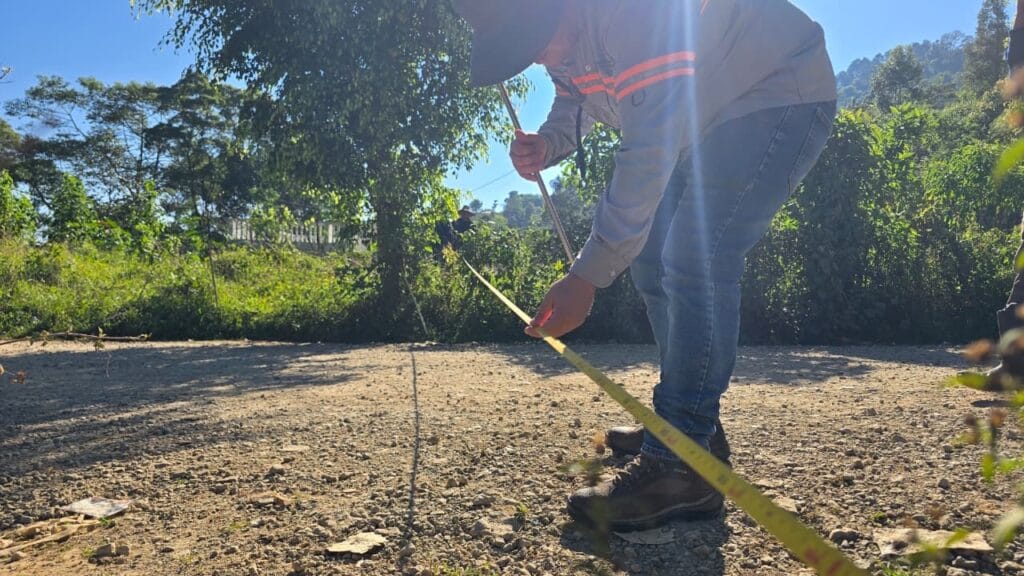
The challenge is compounded by remoteness. Many of these communities lack reliable electricity, road access, or supply chains. Equipment must often be transported across rugged terrain, and systems must be designed to operate in environments with limited power and maintenance resources.
Yet Healing Waters chooses to work in these places.
The Transformation That Makes It Worth It
When safe water finally arrives in communities that have waited for decades, the impact is profound.
Elders in the community—matriarchs and patriarchs who have spent their entire lives carrying water—often express disbelief. Many say they never thought they would see the day when safe water would reach their village.
Moments like these remind us why the work matters.
The Cost of Doing What’s Hard
Projects in these environments require patience, perseverance, and significant resources.
They often involve long lead times and greater capital investment. Implementation is rarely straightforward. There can be delays caused by supply chain disruptions, extreme weather, or difficult terrain. In some regions, heavy rains can trigger mudslides that damage infrastructure or block access to project sites.
Progress sometimes comes in fits and starts.
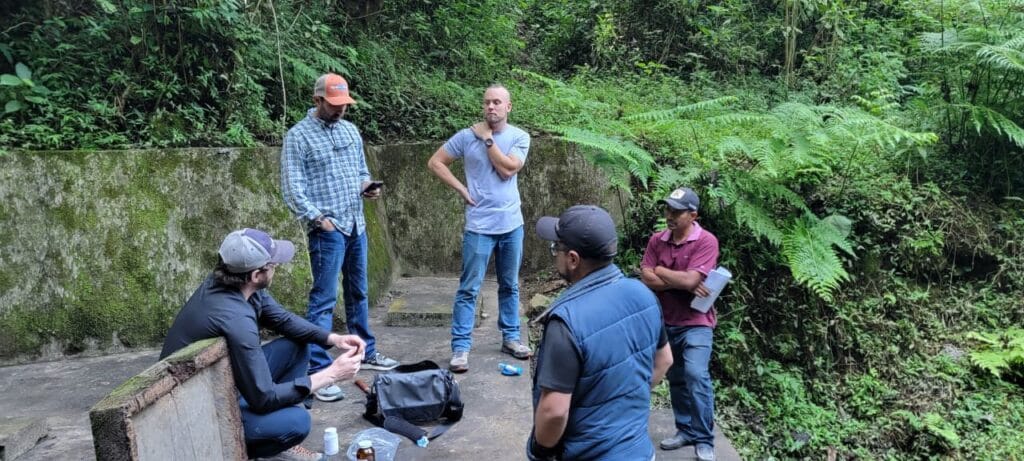
Because of this, Healing Waters depends on partners who are willing to commit to the long journey—people who understand that solving the hardest water challenges requires persistence.
Why We Stay Committed
Despite the challenges, Healing Waters remains deeply committed to serving communities that others cannot easily reach.
Because when safe water finally flows in these places, the transformation is undeniable.
Health improves. Time is restored to families. Communities gain dignity and stability. And generations who have waited their entire lives finally experience something many of us take for granted.
Safe water.
Doing what’s hard is rarely the easiest path.
But for the communities still waiting, it is the path that matters most.